
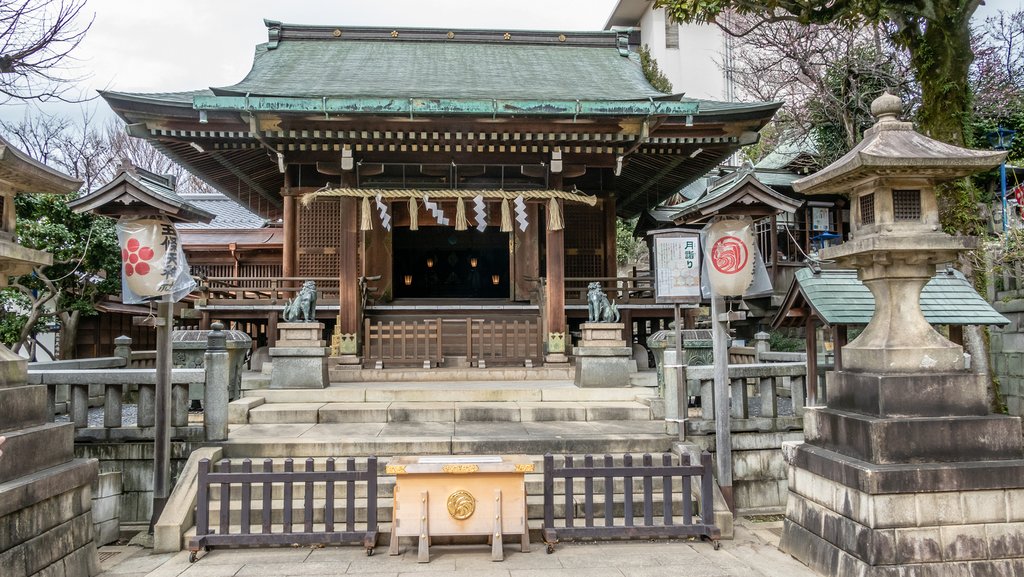
February is mid-winter in Japan, and along with January, is the coldest moth. But, winter varies enormously throughout the country, with warm temperatures in the islands of Okinawa in the south, very cold temperatures and heavy snow on the western side of Honshu and Hokkaido, and moderately cold temperatures elsewhere. But, there are relatively few tourists at this time of year, and the spectacular Sapporo Snow Festival is one reason (among many) to visit Japan in February.
Weather Conditions in Japan During February
February marks the culmination of winter in Japan, a country celebrated for its unique blend of ancient traditions and modern marvels. Intriguingly, the traditional lunar calendar designates February 3rd as the symbolic beginning of spring, an event that, while culturally significant, often stands in stark contrast to the prevailing weather conditions. Japan, with its expansive geographical footprint and diverse mountainous terrain, showcases a wide array of sub-climates, resulting in considerable variations in mid-winter temperatures across the nation.
Along with January, February shares the distinction of being the coldest month in Japan. The average temperatures recorded during these two months exhibit only marginal differences. As February progresses, certain southern regions of the country might begin to experience the gentle stirrings of spring. However, it’s important to note that many other areas remain firmly entrenched in the heart of winter, even as the month draws to a close. The contrast in weather patterns across the country underscores the importance of considering your specific destination when planning a trip to Japan in February.
Generally speaking, a southward journey within Japan correlates with progressively warmer temperatures throughout the year. However, there exists a notable exception to this rule: the Sea of Japan coast of Honshu. This particular region is subject to severe winter conditions characterized by substantial snowfall. The mountain range that traverses the central spine of Honshu acts as a natural barrier, effectively shielding the eastern coast from the most intense winter weather originating from Siberia and China. In contrast, the western coast bears the full force of these frigid air masses, resulting in heavier snowfall and colder temperatures.
On the northernmost island of Hokkaido, visitors should anticipate notably cold temperatures. The capital city, Sapporo, typically experiences an average high temperature of 32° F (0° C) and a low of 19° F (-7° C) during the month of February. In contrast, the larger urban centers of Honshu and Kyushu experience milder, though still wintry, conditions. Snowfall is not uncommon in cities such as Tokyo, Osaka, and Kyoto during February. These three cities, along with Fukuoka in Kyushu, generally record average high temperatures of approximately 50° F (10° C) and lows around 36° F (2° C) during this period. It’s advisable to pack layers of clothing to accommodate the fluctuating temperatures and potential for snowfall in these areas.
The islands of Okinawa, situated to the south of mainland Japan, enjoy mild winters thanks to their subtropical and tropical climate. Naha, the capital of Okinawa, boasts February high temperatures of 66° F (19° C) and lows of 57° F (14° C). This makes Okinawa a relatively appealing destination for those seeking respite from the colder weather prevalent in other parts of Japan during February.
Rainfall is typically sparse during February, with precipitation predominantly taking the form of snow. This contrasts sharply with the summer months in Japan, which constitute the wet season.
Navigating Crowds and Costs in February
February, coinciding with the winter season, is generally considered a low season for tourism in Japan. However, this is with the important exception of Hokkaido and central Honshu, which experience peak ski season. Skiing holds immense popularity among the local population, leading to a significant influx of domestic tourists to these ski resort areas. If you plan to visit these areas during February, be prepared for potentially larger crowds and higher prices, especially on weekends and holidays.
Sapporo hosts its renowned annual Snow Festival over a span of approximately two weeks in early February, with the festivities occasionally commencing in late January. This festival draws a considerable number of visitors to Sapporo and Hokkaido, making it imperative to secure your flights and accommodation well in advance if you intend to partake in this widely acclaimed event. Booking early will not only guarantee your place but also potentially offer better prices and a wider selection of lodging options.
Other destinations of interest to travelers, including Tokyo, Osaka, Kyoto, and Hiroshima, typically experience lower tourist volumes in February. However, the fact that it is winter should not deter you from visiting these vibrant cities. These metropolitan hubs offer a plethora of indoor and outdoor activities and events, ensuring that there is always something to engage in, even in the midst of winter. The season itself presents no compelling reason to forgo a visit to these iconic Japanese cities.
While Okinawa benefits from significantly warmer temperatures compared to much of the rest of Japan in February, it is not considered a peak travel season for the islands. This means that you can potentially enjoy a more relaxed and less crowded experience while still benefiting from the relatively mild weather.
Recommended Destinations in February
If you relish snowy conditions and enjoy activities such as skiing or simply sightseeing amidst a winter wonderland, Hokkaido and Nagano emerge as ideal destinations. In Hokkaido, you can witness the spectacular annual Snow Festival held in Sapporo, which showcases breathtaking ice sculptures crafted by talented artists from around the world.
The major cities of Tokyo, Osaka, and Kyoto can be rather chilly during February. However, the abundance of indoor attractions and activities, such as galleries, museums, temples, theaters, and restaurants, ensures that there is no shortage of things to do and see. The winter season should not be regarded as a hindrance to visiting these culturally rich and diverse urban centers.
Kyushu, Japan’s third-largest island, lies to the south of Honshu. During February, temperatures in Kyushu tend to be slightly warmer than in regions further north. The island boasts an array of captivating cities, including Fukuoka and Nagasaki, as well as rejuvenating hot spring resorts like Beppu and Kurokawa Onsen. Furthermore, Kyushu is home to stunning natural attractions such as Mt. Aso and Sakurajima, making it a diverse and appealing destination for travelers.
Activities to Enjoy in February
February may not be the most optimal time for outdoor activities in Japan due to the cold weather and potential for snow. However, general sightseeing in towns and cities remains a comfortable and enjoyable option. Additionally, there are numerous indoor activities to partake in, offering a welcome respite from the elements. Japan boasts exceptional museums and galleries in many cities, showcasing art, history, and culture. Moreover, the Japanese have perfected the art of hot spring bathing, making it a quintessential indoor winter activity. While onsen (hot springs) can be enjoyed year-round, they offer particular comfort and relaxation during the colder months. Given Japan’s active volcanic landscape, onsen can be found throughout the country, with notable highlights including Kurokawa Onsen, Kusatsu, Hakone, and Beppu.
A visit to a Japanese ski resort in February can be a rewarding experience for those seeking outdoor activities. While Japan is not a leading international ski destination, the ski resorts are popular among locals. The largest concentration of ski resorts can be found in the Nagano area, situated on the snowy Sea of Japan coast of Honshu.
If you appreciate snow and cold temperatures, attending Sapporo’s annual Snow Festival is an absolute must. Local and international artists and sculptors create remarkable and ephemeral works of art out of ice, and the city comes alive with other festive activities during the festival period.
Notable February Events
Sapporo Snow Festival: This celebrated festival, renowned for its awe-inspiring ice sculptures, typically takes place in early February and lasts for approximately two weeks. It’s a truly magical experience that should not be missed.
Plum-blossom viewing: While Japan’s cherry blossoms (sakura) are arguably more famous, plum blossoms are also eagerly anticipated and celebrated towards the end of February as one of the first harbingers of spring. The delicate beauty and subtle fragrance of plum blossoms offer a delightful contrast to the winter landscape.
Suggested Itineraries for February Travel in Japan
These itineraries provide a glimpse into the diverse experiences that await you in Japan, even during the winter months. Each itinerary offers a unique perspective on the country’s culture, cuisine, and natural beauty.
Japan’s Culinary Heritage – 11 Days: Embark on a gastronomic adventure through the Land of the Rising Sun with this immersive culinary tour. Delve into Japanese history and culture through its legendary cuisine, indulging in everything from locally brewed sake to the freshest sushi, delectable street food, and elegant gourmet feasts.
Magic of Japan: Tokyo, Kyoto, Hiroshima – 12 Days: Discover the harmonious blend of traditional and modern aspects of Japan as you visit various shrines and temples, witness cutting-edge technological innovation at a captivating digital art exhibition and an extraordinary robot show, and participate in hands-on cooking and craft classes.
Japan Golden Route – 10 Days: This carefully curated 10-day itinerary follows the historic path of Japan’s ancient Tokaido Highway (the Golden Route), journeying from the ultramodern skyscrapers of Tokyo to the cultural heart of Kyoto. Along the way, you’ll pause in the picturesque town of Hakone to bask in breathtaking views of Mount Fuji, unwind in rejuvenating hot springs, and explore excellent museums.
Additional Resources for Planning Your Trip
These resources provide further information and insights to help you plan your trip to Japan, regardless of the time of year.
B-1440